


Embracing Conservation and Sustainability in Luxury Travel
- Kerry Graham

- May 19
- 4 min read
The Importance of Sustainable Travel
Conservation and sustainability have become essential topics in today’s world. In the hospitality industry, it all began with simple requests. Hotels asked guests to hang their towels if they were happy to use them again. They also encouraged visitors to place a card on their beds when they wanted fresh linen.

At Virtuoso, there’s an entire category of suppliers dedicated to sustainability. These companies go far beyond basic practices. At The Private Travel Company, we strive to partner with suppliers who prioritize sustainability in every aspect of their operations. Many of our clients now inquire about the conservation efforts of their travel providers. Some initiatives happen quietly behind the scenes. We prefer to support companies that genuinely make a difference.

Addressing Overtourism
There is ongoing debate about whether tourists should visit certain areas of the world. Overtourism is a pressing issue. The travel industry, along with governments and tourism boards, is working to tackle this problem. They are limiting visitor numbers and encouraging travel during off-peak periods. This approach often leads to a more enjoyable experience.
In Africa, conservation efforts have evolved. It’s no longer sufficient to maintain existing resources; companies like Wilderness are taking a long-term view. Their goal is to enhance what is already there.
Consider the rhino, for example. Thanks to the work of conservation groups and responsible tourism, rhino populations have increased. The tourist dollar directly supports conservation efforts, and the presence of tourists helps deter poaching. During the COVID pandemic, some countries saw a surge in poaching as tourism came to a standstill in many game parks.
When you stay at a Wilderness camp, you know your visit directly supports their conservation initiatives. They build camps in marginal farming or previously degraded land, helping to reforest areas while providing jobs for local communities. They also support youth initiatives through the Children in the Wilderness (CITW) programme.

Through education and training, former poachers and local communities become wildlife protection advocates. Local people now depend on tourism for their livelihoods. They understand that conservation and wildlife protection benefit both their communities and the animals.
My Favorite Camps and Stories
Desert Rhino Camp, Namibia
In this remote desert location, guests are encouraged to collect waste shower water in a bucket. This water is then used to wash floors or water the garden. The camp collaborates closely with the Save the Rhino Trust, contributing to the increase in the rhino population. Guests can learn more about their work and even participate in a rhino tracking experience on foot alongside the rangers — an unforgettable adventure.

Serra Cafema, Namibia
This camp works hand-in-hand with the local Himba community. They have recently built several wells, saving the women of the village from long walks carrying heavy containers and the dangers of collecting water from crocodile-infested rivers.
Before visiting, the guides check with the village to ensure it is appropriate. This approach creates a truly authentic experience. I fondly remember playing a version of knucklebones with a young girl. We didn’t share a language, and our “rules” differed slightly, but it was a delightful interaction filled with laughter.


Magashi, Rwanda
Magashi is nestled within Akagera National Park. Wilderness operates two camps inside the national park with a private concession. This means there are no other vehicles in their area — Magashi and the newly opened Magashi Peninsula.
They have played a crucial role in reintroducing wildlife into the region. Today, it is a beautiful park with few crowds and an excellent chance to spot the Big Five: rhino, lion, leopard, buffalo, and elephant.


Bésate and Bisate Reserve, Rwanda
The land where these camps now stand was once farmland. Today, thanks to the vision and commitment of Wilderness and its guests, over 100,000 indigenous trees have been planted across the 42-hectare reserve. This effort encourages the return of native birdlife and wildlife to the area.
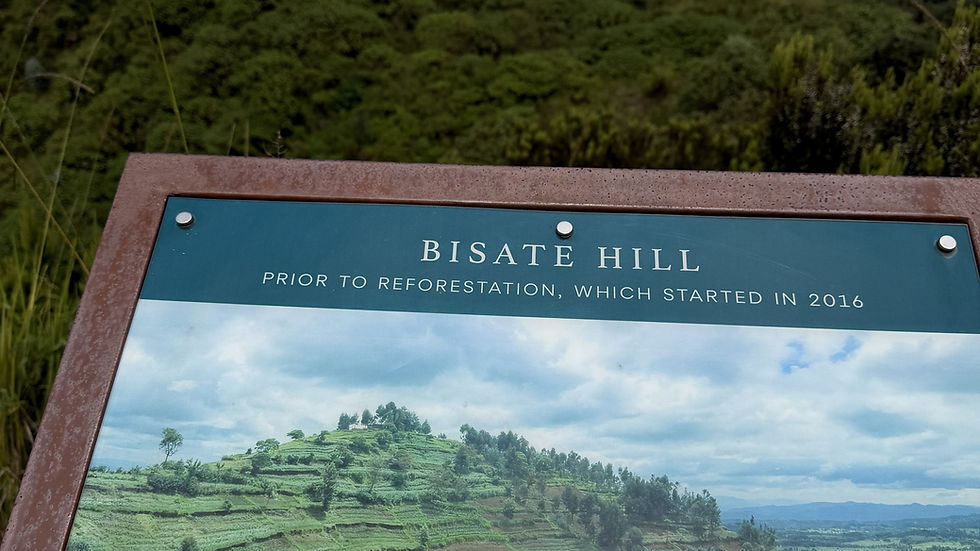

At the heart of this project is an on-site nursery, lovingly managed by a proud gardener. Trees are grown carefully from seed, with some species expected to live for over 100 years. This is conservation with a true long-term vision — an investment not just for today, but for future generations.
Guests who plant a tree receive a certificate along with the GPS coordinates of their planting site. One member of our group was even able to revisit a tree he had planted years earlier and see how successfully it had grown.


“I cannot do everything, but still I can do something; and because I cannot do everything, I will not refuse to do the something that I can do.” — Edward Everett Hale
Wilderness is an inspiring example of a company going far beyond sustainability. They are not simply protecting what already exists — they are actively restoring and improving their corner of the world.
More Stories to Share
There is so much more to share from these remarkable places and the people protecting them. I look forward to sharing more stories, experiences, and insights from my journey very soon.
Warm regards,
Kerry
To keep up to date with my journeys and travel insights, make sure you subscribe.


Comments